
10 min read
How to convert USDT to GBP into a UK bank account
Three ways to convert USDT to GBP into a UK bank account: exchange, P2P or exchanger.

How to exchange, what about taxes, and how not to lose money on fees and checks.
Three ways to convert USDT to GBP into a UK bank account: exchange, P2P or exchanger.

Two ways: send USDT to the supplier’s own address, or exchange USDT for yuan and have it paid out to Alipay through an exchange service.

Article 179-1 of the Civil Code has been in force since 3 September 2023 and calls virtual assets a digital thing: cryptocurrency is inherited — but that is a conclusion drawn…

The peg is held not by the reserves but by the right to redeem the token with the issuer: as of 16.02.2026 that right belonged to 819 customers, the minimum is 100,000 dollars,…

A cryptocurrency seller was used without their knowledge: the payment came not from the buyer on the order but from a person who had been deceived.
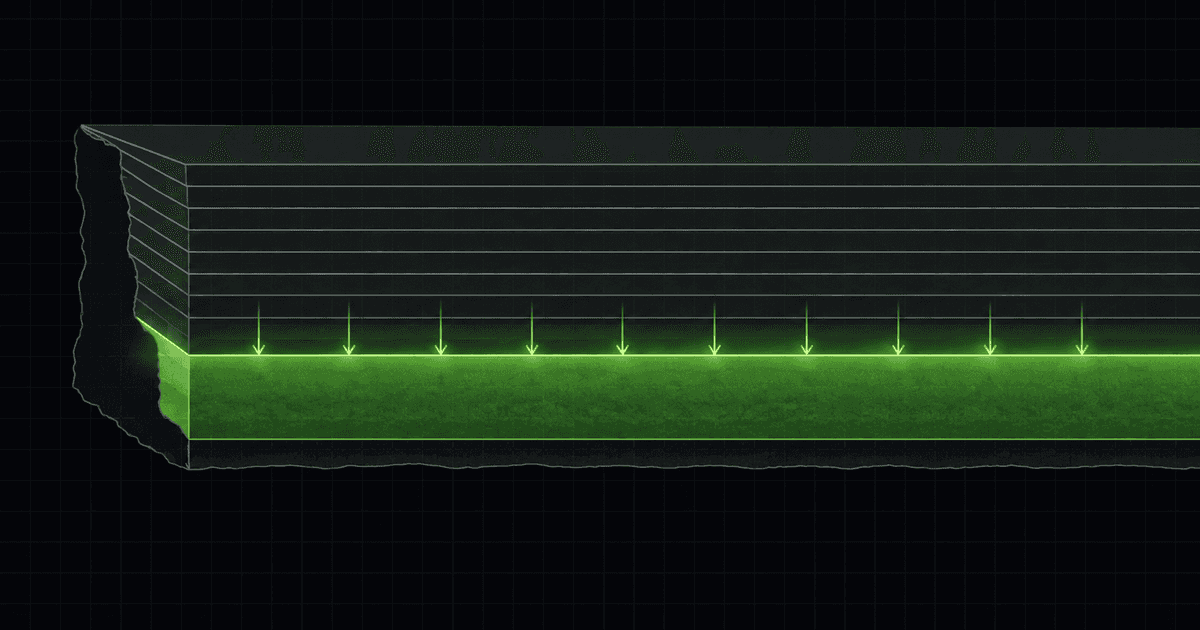
The bank sees neither a “company” nor a “person”, but the fields of a payment instruction.

An exchange order does not ask for documents: there are two required fields — a Telegram handle and a wallet address.
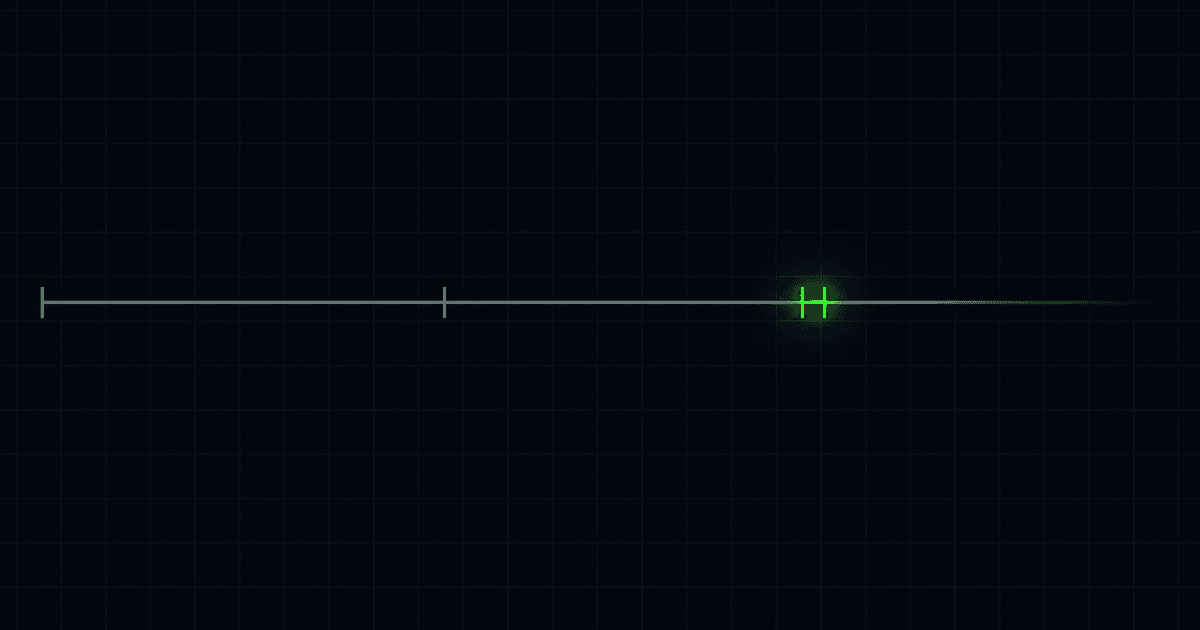
The network part for USDT on TRON is 57 seconds to finality, measured 19.09.2026.

Importing the phrase and sending over the network are two different operations with opposite consequences.

A completed transfer cannot be cancelled: only the owner of the recipient address can hand the coins over.

A blocked address stops sending USDT but keeps receiving it, and the network's own coin on it is alive: what is frozen is one token, not the wallet.

What makes USDT genuine is the contract address, not the name of the token.

A TRON address starts with T and is 34 characters long, in the wallet the network is picked before the address, and the balance needs a reserve of TRX.

TRON and BNB Chain are already in MetaMask by default — there is no need to add them by hand.

Paste the hash into the search box on bscscan.com and look at the Status field, not the confirmation counter: a block on BNB Chain lasts 0.45 seconds, so “174 confirmations” pile…

The state of an Ethereum transfer is shown by a single field — Status: Success, Fail or Pending.

A transfer is looked up by its transaction hash, and on the card you read two different fields: Result — whether the transfer went through, Status — whether the block is locked…

Any non-custodial wallet that supports the network you need will do.

Settling in cash removes the banking side entirely: no credit to an account, no questions about the payment description, no waiting.

There are three routes: an exchange, P2P and an exchange service. They differ less in the rate than in what you give up in return: time, identity verification or spread.

A crypto ATM turns cash into cryptocurrency in a few minutes with no bank account. You pay for that through a visible operator fee and a hidden spread in the rate.

Exodus is a non-custodial hot wallet: the keys live on your device. The built-in swap works, but the fee is baked into the rate rather than shown as a separate line.

The question is not which is safer in general, but how much you hold and how often you touch it. Hardware removes one class of threats and leaves three others in place.

The device guarantees one thing: the private key never leaves the chip.

A seed phrase is access to your funds, not a password to an app. Lose the device and you can restore everything. Lose the phrase and the money is gone for good.

An exchange is a one-off operation with a known rate and a known deadline. Trading is a job where you earn on price movement and budget for losses.

A crypto price forecast is an opinion, not a calculation: there is nothing to derive the price from.

Start with two things rather than a purchase: understand where your keys will live, and know in advance how to get back into hryvnia.

There is no direct official answer to this question: neither the Tax Code nor State Tax Service guidance addresses it.

The property and income tax return is filed by 30 April, and the tax is paid by 1 August.

Framework law No. 2074-IX was signed back in February 2022 but never entered into force: it starts only together with the tax amendments. Draft law No.

Since 1 December 2024 the military levy rate for individuals is 5%. The old 1.5% applies only to income accrued before that date.

The 23% rate raises no doubts. The argument is about what to apply it to: the entire amount received or only the profit.

First find out what is restricted: a single transaction or the whole account. Then find the deadline in the bank's request.

There is no official list of documents for crypto income, and the banks' own lists do not mention cryptocurrency at all.

There is no state cap on card-to-card transfers right now: the National Bank's 150,000 limit was not extended past 1 April 2025.

Ministry of Finance Order No. 465 lists risk criteria, but it does not apply to banks: clause 2 of section I excludes them outright.

The 400,000 UAH figure is a threshold for mandatory financial monitoring only, and it works together with one of the four indicators in Article 20.

The real loss when withdrawing from Trust Wallet is not the rate but the wrong network and too little coin to cover the fee.

The rate in the ad is not what lands on your card. We break down what the real price of a P2P deal is made of: moving funds onto the network, seller limits, how long it takes, and…
An exchange gives the best rate and the worst timing, P2P gives a good rate and the worst risks, an exchange service gives a fixed price and predictability.
BestChange sorts exchange services by the rate they report themselves.
The top row is the best rate on paper, not the best exchange. Here is what actually determines the order of the rows, what none of it verifies, and the four columns to read…

As of July 2026, Ukraine has no dedicated cryptocurrency tax. Income from selling crypto is taxed under the general rules of the Tax Code: 18% personal income tax plus a 5%…

A scam crypto exchange is most often revealed by four signs: a rate noticeably better than the market; no physical address or verifiable track record; pressure such as “send it…

In brief. Choose only the network supported by the recipient’s address: it must exactly match the sending network.

In brief. A crypto exchange service is a party to the transaction, not a platform connecting two users.

In brief. A crypto exchange rate includes more than the market price of an asset.

In brief. Choose an offline exchange if you need physical cash, are handling a significant amount, or want to personally oversee the settlement.

An exchange service may pause a transaction if AML scoring identifies a high-risk origin for USDT. The check assesses the history of the coins, not the customer’s identity.

In short. Anonymity does not make a crypto exchange safer for the customer, but it can free the service itself from accountability. A licence is not an automatic guarantee either.

Last updated: July 2026.

P2P cryptocurrency arbitrage is not prohibited in Ukraine as of July 2026: no law criminalizes it.

In brief: recovery is not always possible. The key question is who controls the private key for the receiving address.

In brief. The network fee does not go to the exchange service or trading platform: it is distributed by the blockchain itself under protocol rules.

In short: A memo, tag, destination tag, or comment is an identifier for the recipient within a shared deposit address—not a password or personal note.

In brief. To accept freelance payments in cryptocurrency, agree with the client on the asset, network, and who pays the fee.

In short. P2P usually offers better rates, but counterparty risks and the origin of the coins remain your responsibility.

A crypto wallet does not store coins: they remain records on the blockchain. A wallet manages the keys that provide access to those records.

In short. Confirmations are the number of blocks added after the block containing your transaction.